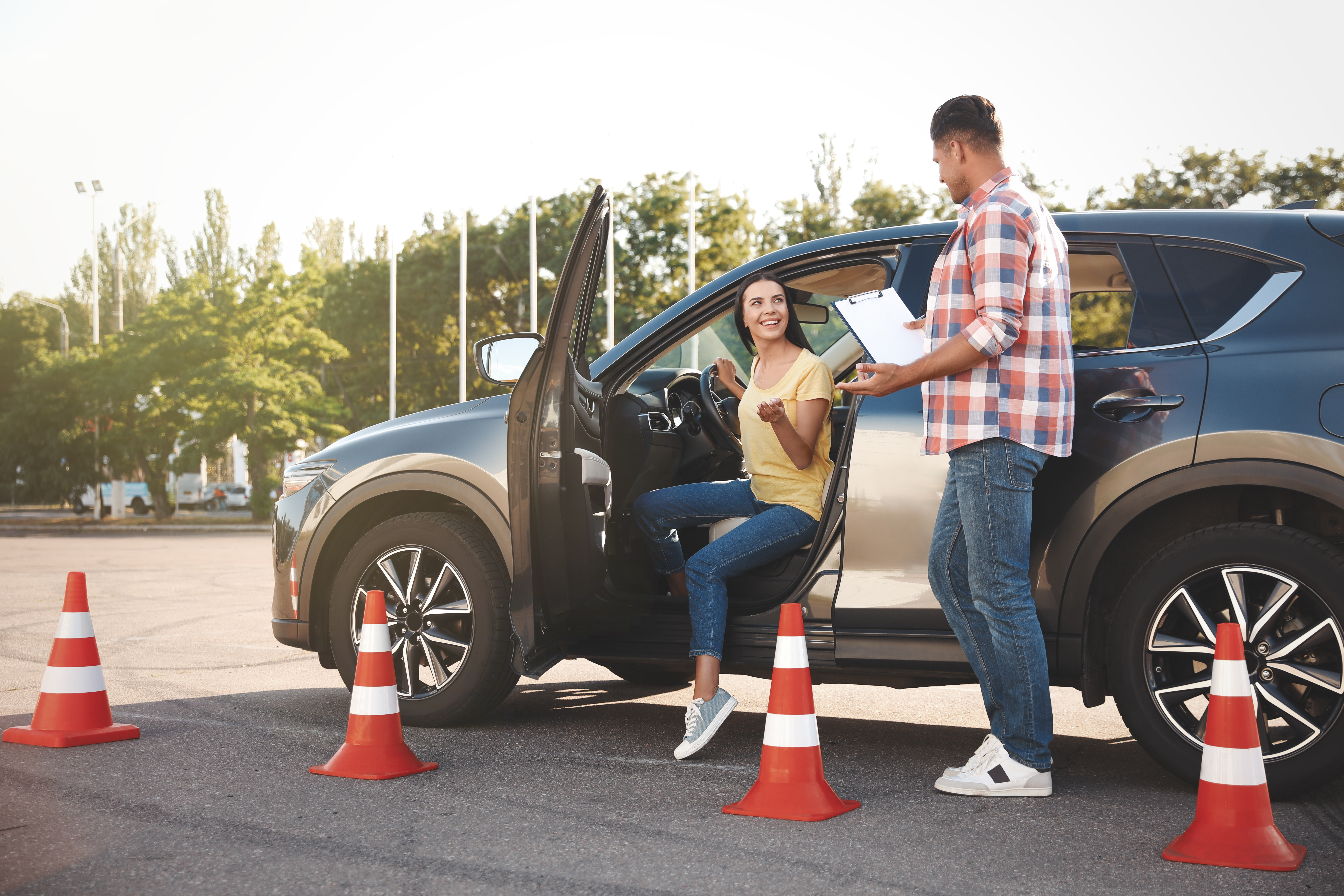
You got the learner permit, congratulations! But it’s only the first stage, and it’s time to prepare for the driving test. However, learners often make some mistakes that affect their learning. It includes breaking speed limits, not taking driving lessons, overlooking traffic signs and signals, etc. As a learner, it’s the right time to get familiar with safe driving practices so that you pass the test. Avoiding the common errors will help you get a license on the first attempt.
Common Driving Errors Made by Learner Drivers
Learner or expert, there is no place for making driving errors. Any mistake can lead to severe accidents. Therefore, to ensure learner driver safety, beware of these mistakes:
Breaking Speed Limits
A major problem with learner drivers is that they often go over the speed limit. This happens due to the excitement of new driving, or you may not be noticing the signs. You have to be careful and focused while driving. Make sure not to miss any speed signs on the road; and you are obeying them. According to StreetSmarts, about 58 people are killed in Queensland alone every year due to overspeeding. You will get penalties for exceeding the limit. Speeding penalties include demerit and penalty points, and accumulation of points can lead to
- License suspension or cancellation
- Financial fines
- Insurance costs
- Court appearances, and
- Restricted license
As a learner driver, you are not allowed to accumulate more than 4 demerit points. Getting 4 or more demerit points within a 12-month period can cost the learner permit. Therefore, you should respect the maximum speed limit.
Not Learning from Professional Driving Instructors
It’s not mandatory to go to a driving school. Learning from friends or family members is okay, too. However, learning from a professional instructor has several benefits. They are experienced in this and know how to explain. Their strategic approach maintains a detailed course, ensuring nothing is skipped. From learner driver safety to penalties for traffic violations, they will teach these all beforehand. Along with vehicle control skills, knowing the road rules is equally important. You can learn it better from a driving school. Their assessments and mock tests will boost your confidence.
Forgetting to Check Mirrors
You are not the only driver on the road. So, it’s important to be aware of the surroundings. For that, check the mirrors regularly. It keeps you informed about other vehicles, cyclists, and pedestrians around. This awareness allows to merge lanes safely, avoid collisions, and anticipate other drivers’ actions. It’s safe to check mirrors every 5 to 8 seconds. Nonetheless, it’s mandatory to check mirrors during the following actions:
- Before moving off, turning, or changing lanes
- Before slowing down or stopping
- During parallel parking to stay aligned
- Before opening the door
Learner drivers should form these good habits. It not only helps pass the test but also increases safety on the road.
Not Focusing on Driving Laws
Memorising and following the laws are not the same. There are some specific regulations for every state. As a learner driver, it’s your duty to be aware of them. The Queensland Department of Transport and Main Roads oversees the regulations and may give demerit points for violating them. These rules and laws are for everyone’s safety. Here are a few laws you must know:
- Speed limits
- Alcohol and drug restrictions
- Passenger restrictions
- Mobile phone use
- Laws on night driving
- L plates display
- Required supervision and no solo driving
- Road rules and signage
It’s important to be aware of these rules before driving. And make sure to go through them every time you set out for driving. This will help prevent law breaks and demerit points.
No Planning for Driving test preparation
You cannot drive with an L plate forever. Besides, don’t you want to drive on your own without being supervised? Passing the driving test is the only way to do that. Therefore, it’s crucial to plan ahead for the test. The driving test day can be stressful and may affect your performance. Make a proper plan to prepare for the big day. Here are some effective tips that might help:
- Create a study plan to focus on road rules and driving practice
- Don’t underestimate the necessity of regular practice
- Take practice tests to get familiarised with the test format
- Study the Queensland Road Safety Handbook or similar resources
- Get professional lessons from a driving school
- Pay attention to the instructor’s assessment and take note of your weaknesses
- Keep all required documents and identification ready before the test.
Practicing on the Same Track
While regular driving is important, it’s necessary to drive in a variety of conditions. It’s easy to feel comfortable driving in familiar areas. But this approach limits experience. Yes, it’s better to start from the local, familiar tracks. But after some time, it’s crucial to challenge yourself. Driving in wet conditions, for example, requires specific skills and strategies. Night-driving challenges can be nerve-wracking initially. Relying on the same track might not prepare you for these scenarios.
As a learner driver, try to gain experience of driving in:
- Residential streets, including low-speed areas
- Drive on busier roads to experience higher speeds
- Highways to practice meringue, lane changes, and speed maintenance
- Rural roads
- Parking lots
- Hilly areas. Make sure to have someone expert for the supervision.
- Roundabouts and intersections.
Here is a pro tip for doing well in the driving test. Plan in advance about where you want to attend the test. Then, drive in those areas to familiarize yourself. This will also boost confidence during the test.
Not Using L-Plates on the Car
It’s a part of the driving rules that a learner driver needs to follow. You have to use an L plate when driving a car. This will let other drivers know that the vehicle is being driven by a learner. They will maintain a safe distance and make driving easier for you. Nonetheless, learner drivers often don’t want to use the plate. The Sentencing Council says that more than 2500 learners were sentenced in three years for not using L-plates. In most cases, learners are sentenced to fines. Besides, not using the L plate decreases your and others' safety on the road.
Blind Spot Checking Errors
A blind spot is an area around your car that is not visible in mirrors. It’s a zone where other vehicles or objects may be hidden. It includes the side, rear, and sometimes the front. These areas require a head check to spot them. Make a habit of head-checking before and during the following actions:
- Changing or merging lanes
- Before turning or opening the car door
- When passing parked cars to see if pedestrians are stepping out
- When taking turns at an intersection
- Conducting a reversal
- Leaving the kerb to join traffic, etc.
Car Maintenance Negligence
Taking care of the car and ensuring it’s in optimal condition is a habit of good drivers. You should also form this habit during this period. It will help pass the hazard perception test, too. Before starting, it’s safe to inspect the car. You should check the tyre pressure, oil levels, brakes, lights, wipers, and fluid levels. Ensure all essential systems are functional and reliable. The development of good maintenance habits is essential for safe driving and avoiding unexpected issues on the road.
Error in Calculation When Crossing Intersections
Intersections are critical areas to cross. You should practice crossing them under an expert instructor’s supervision. The baseline KSI in the intersection is 1282, according to a government survey. It’s easy and common to make errors in intersections. These areas have complex traffic patterns, multiple signals, and potential distractions. Drivers need to navigate through multiple lanes and watch for other vehicles. This often becomes a major challenge for learner drivers. You can follow these tips to overcome making errors in intersections:
- Check all directions continuously for vehicles
- Observe traffic signals
- Clearly signal your intentions to other drivers using turn signals
- Maintain safe speeds
- Position the vehicle correctly in your lane
- Check blind spots
- Follow traffic rules
- Avoid distractions, such as using mobile devices.
Final Words
Avoid the above-mentioned mistakes and practice safe and defensive driving techniques. Pay attention to every lesson taught by the instructor. Joining the Affordable Driving School Gold Coast can be a great help. Our expert instructors ensure you are aware of everything important. From parallel parking tips to driver fatigue awareness and driver laws, we explain everything in easy words. With regular practice in varied conditions, we prepare you to meet the provisional license requirements and pass the test.