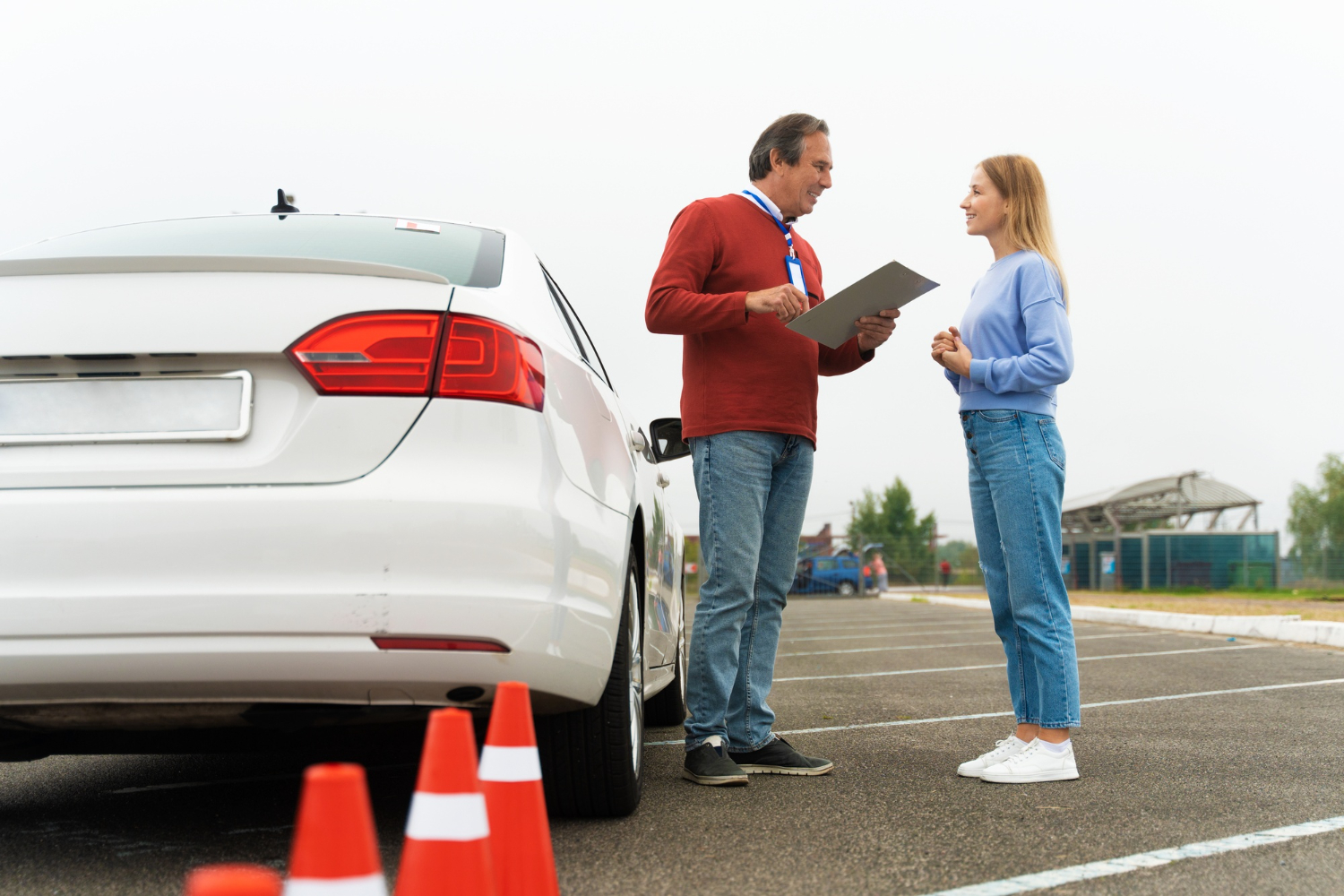
Every year, about 1.19 million people die because of road accidents, according to the WHO. Lane changing is a major contributor to it. It takes much practice and awareness for smooth lane transition. You should slow down, turn signal usage, and check the rearview mirror and blind spots. Avoiding cell phones or other distractions is crucial to maintaining driver's visibility. Maintain lane discipline and other road safety tips taught by the instructors. With proper caution, you can change or merge lanes without accidents.
10 Tips for Safe Lane Merging and Changing
Lane-changing techniques require attention, focus, and practice. As safe driving practices, you should remember the following suggestions.
Turn Signals Usage
Always turn on your indicator before changing the lane. This lets other drivers know your intentions. It reduces the chances or risks of a collision. Don’t wait till making the move. Instead, signal early so that the car behind you gets an early signal. Besides, it’s a legal requirement in most places. Never assume that others will predict the actions on their own. This simple act is an important part of safe driving and lane changing.
Check the Mirrors
Mirrors help with traffic awareness, which is key for safe driving. So, before changing lanes, check mirror adjustments. Make sure your side and rearview mirrors are set correctly. It helps to see the road clearly. If a car is right behind, give it a signal about your action. It will allow you space and prevent collisions.
What if the mirrors need adjustment? If they are not showing proper traffic, you had better find a safe spot to stop the car. Avoid doing it on a busy road as this will disrupt traffic flow. Adjust the mirrors and then change lanes. It may take some time, but safety should be the first priority.
Beware of the Blind Spots
Blind spots are not covered by mirrors or windshields. It's the immediate close areas near the vehicle. For caution, always check these areas before merging or changing lanes. Turn your head briefly to look over the shoulder. It helps spot any vehicles or animals in your blind spots. It's not safe to rely only on the mirrors. Make it a habit to check them every time you change lanes.
Give Way to Other Vehicles
In Queensland, it's a law to give way to the vehicles already driving in the lane you are about to move into. Always check the surrounding traffic before making a move. If another car is close, let it pass before merging. Forcing a way may lead to traffic jams. Plus, it can lead to accidents if both cars try to pass at the same time. Patience and allowing others to go first create a smoother traffic flow.
Look for Road Markings
High-traffic roads often have road markings. These markings can express different instructions based on their appearance. You can learn the meanings of these markings from an expert instructor. For example,
- Solid lines indicate no passing or lane changes
- Dashed lines allow changing lanes if safe
- Double solid lines prohibit crossing in either direction
- Broken lanes permit lane changes when safe
- Bike lane markings instruct that the lane is designated for bikes and bicycles only.
But what to do if there are no markings? It can happen on some roads. In that case, be cautious and alert. Rely on traffic flow and the behaviour of other drivers. Maintain a safe distance from other vehicles and avoid abrupt movements. No markings mean changing lanes is allowed when there is no risk involved.
Speed Management
Speed management is important for safe merging. You need to slow down when changing lanes. Studies show that speeding leads to 12.8% of lane accidents. Slow down during vehicle positioning and see if it's safe to move. However, moving too slowly is not recommended either. This may cause traffic issues in the current lane. Maintain a safe speed, and if the new lane has a different speed margin, match that for a smooth transition.
Move to the Lanes
When changing lanes, it’s important to move smoothly and steadily. Avoid sudden or jerky movements that can confuse other drivers. Ensure the lane is clear before making the move. Try gradual lane changing to retain control of the vehicle. Sudden shifts can cause nearby vehicles to brake suddenly or swerve. You should stay within the lane marking to ensure a safe and controlled lane change.
Avoid Using Cell Phones
Mobile use leads to 21.2% of car accidents, according to various studies. Cell phones distract you and lead to critical situations. Therefore, it's important to keep them away when driving, especially during lane changing. Remove other distractions as well. Stay focused on the road and other traffic. Make sure you are not moving in when a car is fast approaching. Give it a signal to slow down. If absorbed in mobile phones, you may miss these activities, and this will cause an accident.
Avoid Simultaneous Lane Change
Stay away from making the move if another car is already doing it. Give way and let it complete the manoeuvre first. Avoid changing lanes at the same time to prevent a collision. Communicate with the other driver, and the first driver who made the move should be given priority.
Turn Off the Signals
You must turn off the indicators once you change the lane. Otherwise, this may lead to confusion. Other drivers may think you want to make a switch, which may lead to hazards. Always check that the signal is off once the lane change is complete. Even if you have automatic signal cancellation, you should check it manually.
Final Words
Lane changing is difficult but not when you are cautious. Being cautious and aware of the surroundings can help prevent accidents. You should also learn the traffic and road rules properly. Affordable Driving School can ensure that by providing necessary guidance. Our instructors are professional, skilled, and experienced. They make it easy to understand the complex road rules and help you get accustomed to them. If you are planning to get a licence in Brisbane, contact us for necessary training. You will learn smooth lane changing as well as other driving techniques.